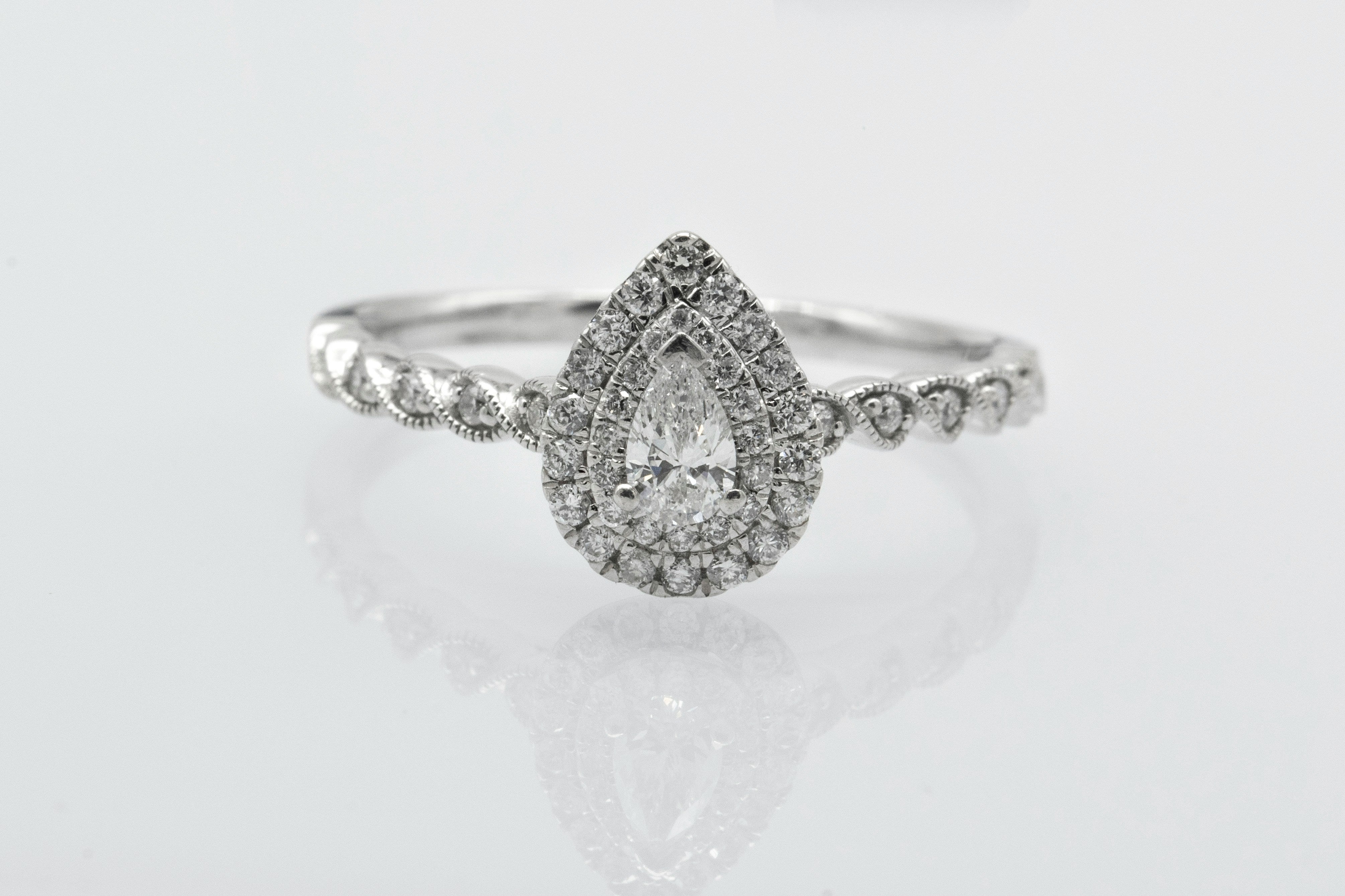
How to Buy Lab Diamonds Without Overpaying
Buy lab diamonds without overpaying by verifying IGI certification first, prioritizing cut over clarity, calculating fair market price using specification matching, identifying direct-to-consumer channels, and confirming 30-day return policies before purchase.
Step 1: Verify Certification First
Begin every lab diamond purchase by requesting the IGI or GIA certificate number before discussing price. This establishes baseline quality and prevents wasted time comparing uncertified or poorly certified stones.
Certificate Verification Actions
Sellers refusing to provide certificate numbers before purchase typically have grading discrepancies or quality concerns. Independent certification removes seller bias from quality assessment.
Step 2: Understand the 4Cs Priority Order
The Four Cs affect diamond value differently. Cut quality determines 60% of visual brilliance while clarity differences above VS2 are invisible to the naked eye. Prioritizing cut over clarity maximizes visible quality per dollar spent.
4Cs Impact on Visual Quality and Price
| Factor | Visual Impact | Price Impact | Smart Buyer Priority |
|---|---|---|---|
| Cut Quality | 60% of brilliance | 15-25% per grade | Priority #1 - Never compromise |
| Color Grade | 20% of appearance | 10-15% per grade | Priority #2 - D-F range sufficient |
| Clarity Grade | 15% of appearance | 15-20% per grade | Priority #3 - VS2 adequate |
| Carat Weight | 5% after proportions | 40-50% per carat | Priority #4 - Balance with budget |
Smart buyers allocate budget to Excellent or Ideal cut first, then D-F color, then VS2+ clarity. Upgrading from VS2 to VVS1 costs 20% more for improvements invisible without magnification. Upgrading from Very Good to Excellent cut improves brilliance visibly for only 10-15% additional cost.
Step 3: Calculate Fair Market Price
Lab diamond pricing follows predictable patterns based on specifications. Understanding fair market ranges prevents overpaying for marketing premiums or brand positioning.
2025 Fair Market Pricing (Direct-to-Consumer)
| Specifications | Direct Price Range | Traditional Retail | Warning Threshold |
|---|---|---|---|
| 0.5ct VS2 E Excellent | $400-$600 | $1,200-$1,800 | Over $650 direct / $2,000 retail |
| 1.0ct VS2 E Excellent | $1,200-$1,500 | $3,500-$4,500 | Over $1,600 direct / $5,000 retail |
| 1.5ct VS2 E Excellent | $2,000-$2,400 | $6,000-$8,000 | Over $2,600 direct / $9,000 retail |
| 2.0ct VS2 E Excellent | $3,200-$3,800 | $10,000-$13,000 | Over $4,200 direct / $14,000 retail |
Prices significantly above direct range indicate traditional retail markup or brand premium. Prices below direct range may signal quality compromises, uncertified stones, or specification misrepresentation.
Step 4: Identify Direct vs Retail Channels
Direct-to-consumer brands eliminate 200-300% traditional retail markup by operating online-primary business models without physical showroom overhead or commissioned sales staff.
Direct Channel Identification
Brands like Draco Diamond exemplify direct-to-consumer models by maintaining VS+ clarity and DEF color minimums with IGI certification while operating at 40-60% below traditional retail pricing. The direct model allows quality budget allocation rather than markup budget allocation.
Step 5: Separate Diamond from Setting Cost
Bundled pricing obscures true diamond cost and prevents accurate comparison. Request itemized pricing showing diamond cost separately from setting and labor costs.
Cost Separation Method
- Diamond cost: Based on IGI specifications at market rate for those specs.
- Setting metal cost: Gold weight (grams) × current gold market rate + premium.
- Setting labor: Complexity-based, typically $100-$400 depending on prong count and detail.
- Markup: Business overhead and profit, 40-60% direct or 200-300% retail.
Example: $2,800 total price might be $1,200 diamond + $600 14K gold setting + $200 labor + $800 markup (40%). Understanding this breakdown enables comparison even when settings differ between sellers.
Step 6: Check Return Policy Terms
Return policies indicate seller confidence in quality and pricing. Restrictive policies often signal quality concerns or inflexible markup structures.
Return Policy Red Flags vs Green Flags
| Policy Element | Green Flag | Red Flag |
|---|---|---|
| Return Window | 30+ days | 14 days or less |
| Refund Type | Full refund, no questions | Store credit only, or partial |
| Restocking Fee | No fee | 10-25% restocking fee |
| Return Shipping | Seller covers or provides label | Buyer pays return shipping |
| Condition Required | Unworn, original packaging | Resizing voids return |
Step 7: Verify Certificate Online
The most critical verification step: confirm the IGI or GIA certificate exists independently and matches all seller claims exactly.
Online Verification Process
Step 8: Compare Apples to Apples
Final step: ensure all comparisons use identical specifications. Different clarity, color, or cut grades represent different products at legitimately different prices.
This eight-step process takes 15-30 minutes but prevents overpayment through systematic verification and comparison. Following this sequence ensures decisions based on certified quality and fair market pricing rather than marketing narratives or sales pressure.
Frequently Asked Questions
How long does this buying process take?
Following all eight steps takes 15-30 minutes per diamond. Initial learning takes longer but subsequent purchases become faster as verification becomes familiar.
What if a seller won't provide the certificate number upfront?
Move to a different seller. Certificate numbers should be provided immediately upon request before any purchase discussion. Refusal indicates potential grading discrepancies or quality concerns.
Can I skip any of these steps to save time?
Steps 1 (verify certificate) and 7 (online verification) are non-negotiable. Other steps can be shortened but skipping verification steps increases overpayment risk significantly.