Oval Cut Lab Grown Diamond: The Complete Guide
Why the oval reads larger than its carat weight, how to read a length to width ratio, how to spot the bow tie, and what an oval lab diamond actually costs at Draco.
The author is the founder of Draco Diamond. Every diamond referenced is IGI certified and verifiable free at IGI.org. All prices in CAD unless noted.

Why is the oval cut so popular?
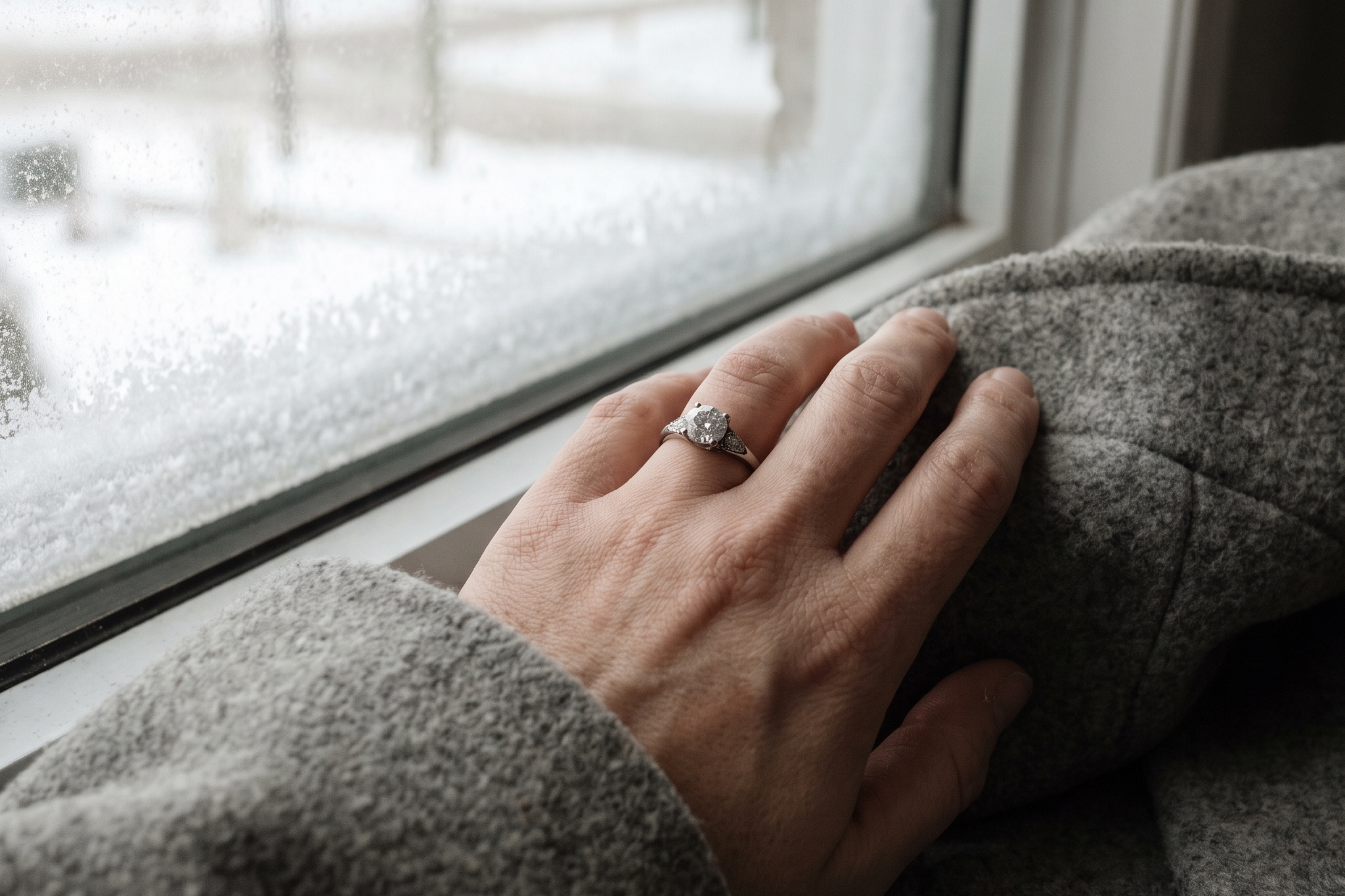
The oval is popular for one practical reason. It looks bigger than it weighs. An oval spreads its weight across a longer outline, so more of the stone faces up. An elongated oval can appear roughly 10 percent larger from above than a round diamond of the same carat weight. On the hand it also lengthens and slims the finger, which is why it sits second only to the round brilliant in demand.
Because it is a brilliant cut, the oval keeps the fire and sparkle people expect from a round while adding a softer, more elongated presence. For a shape by shape overview across the whole range, see the lab diamond shapes guide and the visual diamond shapes chart.

"An oval sells the size a round makes you pay for. Read the length to width ratio first, and the carat number matters less."
Garrett McMartin, Founder, Draco Diamond
What is the bow tie effect and how do you avoid it?
The bow tie is a dark band that runs across the centre of an oval, shaped like its name. It comes from light leaking out through the middle of an elongated brilliant instead of reflecting back to the eye. Every oval has some bow tie. The goal is not to find a stone with none, because that stone does not exist. The goal is to choose one where the bow tie is faint and the centre still returns light.
A severe bow tie leaves a lifeless dark zone through the stone. A faint one is barely visible and fills with light as the hand moves. Because IGI and other labs do not assign an overall cut grade to fancy shapes the way they do to rounds, the report will not flag the bow tie for you. You confirm it with your eyes, in a clear video or in person, under normal lighting.

What length to width ratio is best for an oval?
Length to width ratio is the length of the oval divided by its width, both printed in millimetres on the IGI report. It decides whether a stone looks round and full or long and slim. Most buyers prefer 1.35 to 1.50. Below that the oval looks compact and rounder. Above it the stone looks very elongated and narrow, and the bow tie tends to grow.
| Length to width ratio | How it reads on the hand |
|---|---|
| 1.30 to 1.35 | Rounder and fuller, a compact oval that reads close to a cushion |
| 1.35 to 1.45 | Classic balanced oval, the most requested silhouette |
| 1.45 to 1.50 | Elongated and elegant, more finger coverage and a slimming line |
| 1.50 and above | Very elongated and narrow, watch the centre for a stronger bow tie |
Face up size at the same carat weight
An elongated oval spreads its weight across a longer outline, so it presents more surface to the eye than a round of equal weight.
Illustrative comparison based on published oval versus round surface area guidance. Exact spread varies with cut depth and ratio.
What are the best settings for an oval?
The two ends of an oval are its exposed points, so the right setting both flatters the shape and guards those tips. A few mountings suit the oval better than the rest.
The cleanest way to show an oval. Prongs at the two ends protect the points while the open setting lets the elongated outline speak for itself.
A ring of small stones sits under the oval, adding sparkle and lift from the side without widening the face. It makes the centre read larger still.
A metal rim around the stone is the most protective choice for the points, and it suits an active hand. The half bezel guards the ends while keeping the sides open.
Turning the oval sideways across the finger is a modern look that emphasises the length and reads differently from every other ring in the room.

To design an oval setting from the ground up, the Draco ring builder lets you place a stone in each of these mountings before you commit, and the full range sits in women's rings and engagement rings.
How do oval lab diamond prices compare per carat?
Oval lab diamonds are priced like other fancy shapes, close to round but often a little less per carat, which stacks on top of the larger face up size to make the oval one of the best value elongated shapes. Lab grown per carat pricing has fallen sharply since 2020, and the deeper economics sit in the lab grown diamond price per carat analysis. The examples below are live Draco oval pieces, each IGI certified and priced direct.
| Oval piece | Specification | Price CAD |
|---|---|---|
| Oval stud earrings | 2ct total weight | 1,099 |
| Seven stone oval anniversary ring | 1ct total weight | 1,488 |
| Seven stone oval anniversary ring | 3.5ct total weight | 2,390 |
| Oval eternity band | 5ct shared prong | 2,599 |
| Oval tennis bracelet | 5ct total weight | 3,201 |
| Oval engagement ring | 5.1ctw hidden halo, E VS1 | 2,753 |
At an exchange rate near 1 CAD to 0.73 USD, the 1,099 CAD oval studs land near 802 USD and the 2,753 CAD oval engagement ring near 2,010 USD. Every price is the regular, non sale figure. Compared with legacy retail, Draco prices up to 64 percent below Blue Nile for equivalent IGI certified specification.

How to choose an oval cut lab diamond
Four checks, in order, turn a good looking oval into a confident purchase.
Divide the length by the width from the IGI measurements. Aim for 1.35 to 1.50 for the balanced elongated look, or lower for a fuller, rounder oval.
View the stone in a clear video or in person. A faint bow tie is normal. Reject any oval with a dark, lifeless band through the centre that does not fill with light.
Guard the two points with a bezel, hidden halo, or prongs placed at the ends. This protects the stone and holds it secure on an everyday hand.
Match carat, colour, clarity, and certification across sellers, then compare the price. Identical IGI grades at different prices reveal retail markup, not a better diamond.
If narrowing the shape itself is still the open question, the choose a diamond shape for your style framework compares the oval against the rounds, cushions, and pears it competes with.
Oval cut FAQ
Do oval lab diamonds look bigger than round?
Yes. An elongated oval spreads its weight across a longer outline, so it presents more surface to the eye. An oval can appear roughly 10 percent larger from above than a round of the same carat weight, and it lengthens the finger, which is a large part of why buyers choose it.
What is the best length to width ratio for an oval cut lab grown diamond?
Most buyers prefer a length to width ratio between 1.35 and 1.50. That range gives the balanced, elongated silhouette. Below 1.35 the oval looks rounder and fuller. Above 1.50 it looks very narrow and the bow tie tends to grow. The ratio is your choice, from the length and width printed on the IGI report.
What is the bow tie in an oval diamond?
The bow tie is a dark band across the centre of an oval caused by light leaking through the middle instead of reflecting back. Every oval has some. A well cut stone shows only a faint bow tie that fills with light as the hand moves. A dark, static bow tie is the sign of a poorly cut stone.
Do oval lab diamonds come with a cut grade?
Labs including IGI assign an overall cut grade to round brilliants but not to fancy shapes like ovals. The report still lists polish, symmetry, and full measurements. For an oval you judge the cut by eye through the length to width ratio and the bow tie, using a clear video or an in person view.
How much does an oval lab grown diamond cost at Draco?
Oval Draco pieces start at 1,099 CAD for 2ct total weight oval stud earrings and run to a 5.1ctw hidden halo oval engagement ring at 2,753 CAD. Every piece is IGI certified, E to F colour, VS2 and better, priced direct, up to 64 percent below Blue Nile for equivalent specification.
Are oval lab grown diamonds real diamonds?
Yes. A lab grown diamond is carbon crystal with the same physical and optical properties as a mined diamond, graded on the same scale by the same labs. An oval lab diamond is a real diamond cut into an elongated brilliant shape, certified by IGI and verifiable free at IGI.org.
References
- International Gemological Institute. Grading standards, shape and measurement reporting, and Verify Your Report. IGI.org. Accessed August 2026.
- Draco Diamond published catalog and grading standard, live oval pricing. dracodiamond.com. Accessed August 1, 2026.
- Draco Diamond, lab grown diamond price per carat analysis 2026. dracodiamond.com.
Find your oval at Draco
Every Draco oval is IGI certified, E to F colour, VS2 and better, and priced direct, up to 64 percent below Blue Nile. Trust stack: 30 day returns, Lifetime Authenticity Guarantee, free ring resizing, free insured worldwide shipping to 25 markets, signature on delivery, IGI certified E to F colour VS2 and better. Rated 4.8 out of 5 across 866 verified reviews.