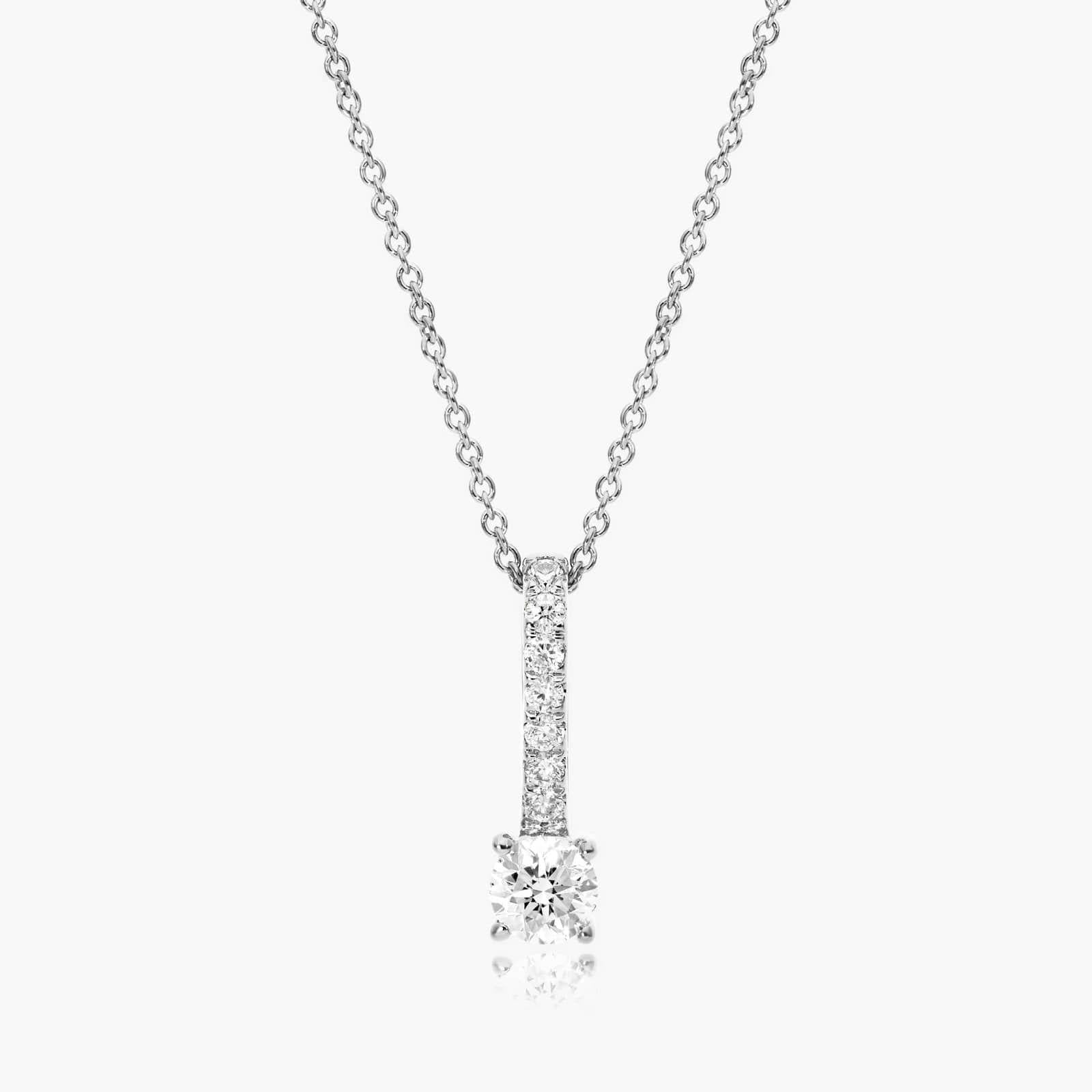
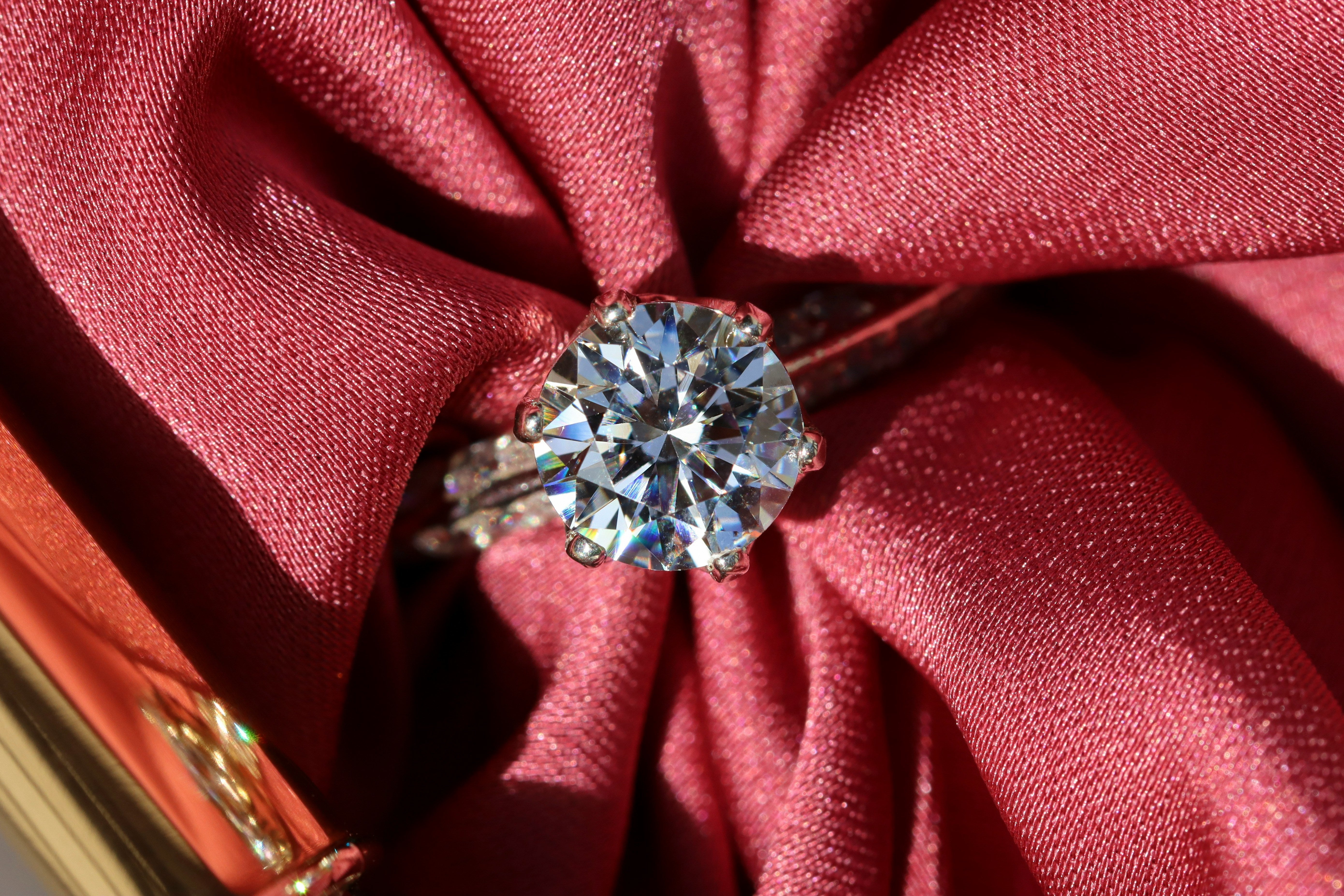
How to Clean and Care for Lab Diamond Jewelry
Durability, cleaning, and storage for lab grown diamonds. The simple weekly routine, what to avoid, and how to keep a certified stone looking new for life.
The author is the founder of Draco Diamond. Cleaning guidance reflects standard fine jewelry care for diamonds set in gold, platinum, and silver. Every Draco piece is IGI certified, E to F color, VS2 clarity or better, and verifiable at IGI.org. The certificate is included with every order.

Mohs hardness, diamond versus everyday materials
The Mohs scale ranks scratch resistance from 1 to 10. A lab diamond sits at the top, the same as a mined diamond, which is why the stone itself never dulls.
Source: Mohs scale of mineral hardness. Lab grown and mined diamonds share the same crystal structure and rank 10. Gold and silver are soft metals near 2.5 to 4.
How do I clean a lab diamond ring
Cleaning a lab diamond ring takes five minutes and four things you already own: warm water, mild dish soap, a soft toothbrush, and a lint free cloth. The reason it is this simple is the stone itself never gets dirty in any permanent way. What dims a ring is a film of skin oil, hand lotion, soap residue, and dust that settles on the pavilion underneath, blocking the light that would otherwise return through the table. Lift that film and the brilliance comes straight back.
| Step | What to do |
|---|---|
| Soak | Warm water plus a few drops of mild dish soap, 10 to 20 minutes |
| Brush | Soft toothbrush, gently around the stone, behind it, and along the prongs |
| Rinse | Clean warm water, with the drain covered so nothing is lost |
| Dry | Pat with a lint free or microfiber cloth, never a paper towel |
| Repeat | Once a week for a ring worn daily, less for occasional pieces |
Ultrasonic and steam cleaners are safe for a plain diamond set in gold or platinum and will reach the spots a brush misses. Use more caution with treated colored stones and with very thin or antique settings, where vibration can loosen a prong. When in doubt, the warm water method is foolproof.
"A lab diamond does not wear out, fade, or dull. The only thing standing between the stone and full brilliance is a film of oil that warm water lifts in minutes."
Garrett McMartin, Founder, Draco Diamond
Do lab diamonds scratch or dull
No. A lab grown diamond is pure crystallized carbon with the same atomic structure as a mined diamond, which places it at 10 on the Mohs scale of hardness, the hardest known material. Nothing in daily life is hard enough to scratch it. It does not fade, cloud over time, or lose fire, and it is just as durable as a mined diamond because, at the level that matters, it is the same material. A stone bought today will look identical decades from now.

The metal around the stone is softer. Gold and platinum sit far lower on the Mohs scale, so the band can pick up fine surface scratches with wear. That is normal and cosmetic, and a jeweler can polish it out. For more on why a lab stone is the genuine article, see are lab grown diamonds real. For the permanence question in full, why a lab stone has no aging mechanism at all, read do lab diamonds get cloudy or fade.
What can damage the setting
The diamond is safe; the metal is the part to protect. Chlorine and bleach are the main threat. They do not touch the stone, but over time they can pit and weaken gold alloys and degrade the prongs that hold the diamond in place. Keep rings away from pool water, hot tubs, and household cleaners. Remove jewelry for heavy work, the gym, and swimming, where impact and chlorine do the most harm. Take rings off before applying lotion, perfume, or sunscreen, since that is what builds the film that dulls the look.
| Avoid | Why |
|---|---|
| Chlorine and bleach | Attack and weaken gold and prongs, not the stone |
| Heavy work and the gym | Impact can bend prongs or chip the setting |
| Lotion and perfume | Build the oily film that makes a ring look cloudy |
| Abrasive toothpaste | Too harsh for the metal; use mild dish soap instead |
Metals differ in upkeep. Gold from 10K to 18K and platinum do not tarnish and need only the routine wash. Silver can tarnish from air and skin contact, so it benefits from an occasional rub with a silver polishing cloth between washes.
How to store it safely
The one thing that can scratch a diamond is another diamond. Because the stone is a 10 on the Mohs scale, it will scratch softer gems and mar the metal of any piece it touches, and two diamonds rubbing together can chip each other. The fix is simple: store each piece separately in a soft lined box, pouch, or a compartment of its own. Keep rings, earrings, and bracelets from jostling against one another in a single tray.

For travel, a roll with individual padded slots keeps pieces from touching. At home, the original box works well. The goal is the same in both cases: no diamond should ever sit against another stone or against bare metal.
When to see a jeweler
Jewelers Mutual recommends professional inspections and cleanings twice a year, and every three to four months for a high end piece worn regularly, such as an engagement ring. The deep clean restores any brilliance the weekly routine cannot reach, but the real value is the prong check. Prongs are the only point of failure on a ring, and an inspection catches loose stones and worn prongs before a stone is ever at risk. Bracelet clasps deserve the same attention, covered in the tennis bracelet safety guide.
| Task | Cadence | What it covers |
|---|---|---|
| At home clean | Weekly for a piece worn daily | Warm water and mild dish soap soak, soft brush behind and under the stone, rinse, dry |
| Wipe down | After lotion, sunscreen, or a workout | Lint free cloth across the table and the pavilion to lift fresh oil before it sets |
| Check between cleanings | Monthly, at home | Listen for a rattle when the piece is shaken near the ear, look for a stone that shifts under a fingernail, scan for a bent, flattened, or snagging prong |
| Professional inspection and clean | Twice a year | Loose stones, worn prongs, and hidden wear, per Jewelers Mutual guidance |
| Prong and clasp check, daily wear | Every three to four months for a high end piece worn regularly | Prong tips, setting integrity, and the clasp and safety catch on a bracelet |

Some insurance policies require an inspection on a set schedule to keep coverage in force, so check the terms of any rider before skipping one. If a ring no longer fits, Draco offers free ring resizing, so the setting can be adjusted without a new purchase. To browse certified pieces built to last, see the womens rings collection.
Lab diamond care FAQ
How do I clean a lab diamond ring?
Soak it in warm water with a few drops of mild dish soap for 10 to 20 minutes, brush gently around and behind the stone with a soft toothbrush, rinse in clean warm water, and pat dry with a lint free cloth. Do this about once a week for a ring worn daily. Avoid chlorine, bleach, and abrasive toothpaste.
Do lab diamonds scratch or dull?
No. A lab diamond is a 10 on the Mohs scale, the hardest material there is, identical to a mined diamond. It does not scratch, fade, or lose fire with wear. The only thing that can scratch a diamond is another diamond, which is why pieces should be stored separately.
Can I use an ultrasonic cleaner on a lab diamond?
Yes for a plain diamond set in gold or platinum, ultrasonic and steam cleaners are safe and effective. Use more caution with treated colored stones and with thin or antique settings, where vibration can loosen a prong. The warm water and mild soap method is always safe.
Do lab diamonds get cloudy over time?
No. A lab grown diamond is pure crystallized carbon at 10 on the Mohs scale with no aging mechanism, so there is nothing in it to oxidize, fade, or break down. What looks cloudy is a film of skin oil, lotion, and soap residue on the underside of the stone, blocking light. A warm water and mild soap clean removes it and restores full brilliance.
Will my ring tarnish?
Gold from 10K to 18K and platinum do not tarnish and only need the routine wash. Silver can tarnish from air and skin contact, so wipe it with a silver polishing cloth between cleanings. The diamond itself never tarnishes or reacts.
Do lab diamonds last as long as mined diamonds?
Yes. A lab grown diamond has the same crystal structure and the same 10 hardness as a mined diamond, so it lasts just as long. With basic care it will look identical decades from now. A professional prong check twice a year protects the setting, which is the only part that wears.
What should I avoid when caring for a lab grown diamond?
Chlorine, bleach, and household cleaners are the main hazards, and they attack the gold alloy and the prongs rather than the stone. Skip abrasive toothpaste, baking soda, and any scouring powder, which are too harsh for the metal. Remove pieces before lotion, perfume, and sunscreen, since that film is what makes a ring look dull.
Can I wear a lab diamond ring while exercising or swimming?
Take it off for both. Impact at the gym can bend a prong or knock a setting out of shape, and chlorine in pools and hot tubs weakens gold alloys and the prongs holding the stone. Cold water also shrinks fingers, which is how rings are lost while swimming. The diamond itself is unharmed either way, so the risk sits entirely with the setting.
How often should I have the settings checked?
Jewelers Mutual recommends professional inspections and cleanings twice a year, and every three to four months for a high end piece worn regularly such as an engagement ring. The inspection catches loose stones and worn prongs early. Bracelet clasps and safety catches should be checked on the same schedule. Some insurance policies require inspections on a set schedule to keep coverage in force.
References
- Mohs scale of mineral hardness. Diamond ranks 10; lab grown and mined diamonds share the same crystal structure and hardness.
- International Gemological Institute, diamond grading and verification, igi.org. Accessed June 2026.
- Jewelers Mutual Group, professional jewelry inspections guidance: inspections and cleanings twice a year, every three to four months for high end pieces worn regularly, catching loose stones and worn prongs, jewelersmutual.com. Accessed July 22, 2026.
- Draco Diamond published catalog and care standards, dracodiamond.com. Accessed June 2026.
Certified, and cared for, for life
Every Draco piece is IGI certified, E to F color, VS2 clarity or better, in 10K to 18K gold, platinum, or silver. The certificate is included with every order. Free insured worldwide shipping, free ring resizing, 30 day returns, Lifetime Authenticity Guarantee.